
How to Calculate Chargeable Weight
Understand the difference between actual weight and volumetric weight and how they affect shipping costs
Introduction to Chargeable Weight
When calculating logistics costs, many people only consider the actual weight of their products. However, they often overlook the product's volume.
For example, 100 kilograms of cotton and 100 kilograms of iron have the same weight but occupy very different volumes. During transportation, logistics companies use a specific formula to convert volume into volumetric weight. They then take the maximum value between the volumetric weight and the actual weight. This maximum value, rounded up, becomes the chargeable weight.
This calculation method ensures that shipping costs reflect both the weight and space that a package occupies during transport.
Key Concept: Shipping costs are calculated based on whichever is greater - the actual weight or the volumetric weight.
Chargeable Weight Calculator
Note: The chargeable weight is what logistics companies use to calculate shipping costs. Always compare actual weight with volumetric weight to determine which one is higher.
Why Chargeable Weight Matters
Understanding the Impact on Shipping Costs
Shipping carriers charge based on the space your package occupies in their vehicles, not just its weight. Volumetric weight calculation ensures that lightweight but bulky items are priced appropriately.
Items with low density (like pillows, foam, or empty containers) often have higher volumetric weight than actual weight. This means you'll pay more than you might expect based on weight alone.
Understanding chargeable weight helps you:
- Accurately estimate shipping costs
- Optimize packaging to reduce volumetric weight
- Compare shipping options more effectively
- Avoid unexpected charges
Tips to Reduce Volumetric Weight
1. Use appropriate packaging: Don't use excessively large boxes for small items.
2. Compress when possible: For soft goods, compress them to reduce volume.
3. Consolidate shipments: Combine multiple items into fewer packages when possible.
4. Choose packaging wisely: Consider using vacuum bags for clothing and soft goods.
5. Remove unnecessary packaging: Don't ship items in their retail packaging if not needed.
Save Money with Our Repacking Service:
Our repacking service can help reduce your chargeable weight. If shipping costs are $10 per kg, and we help reduce your chargeable weight by 20 kg, you'll save 20 × 10 = $200 in international shipping fees.
Check our repacking service pricing formula: Click Here
Need Help?
If you need assistance with calculating shipping costs or have questions about our services, please contact our support team.
You May Need These Tools:

Important Notice: This calculator provides estimates based on standard industry practices. Actual charges may vary depending on the carrier, specific route, and current market conditions. Always confirm rates with your logistics provider before shipping.
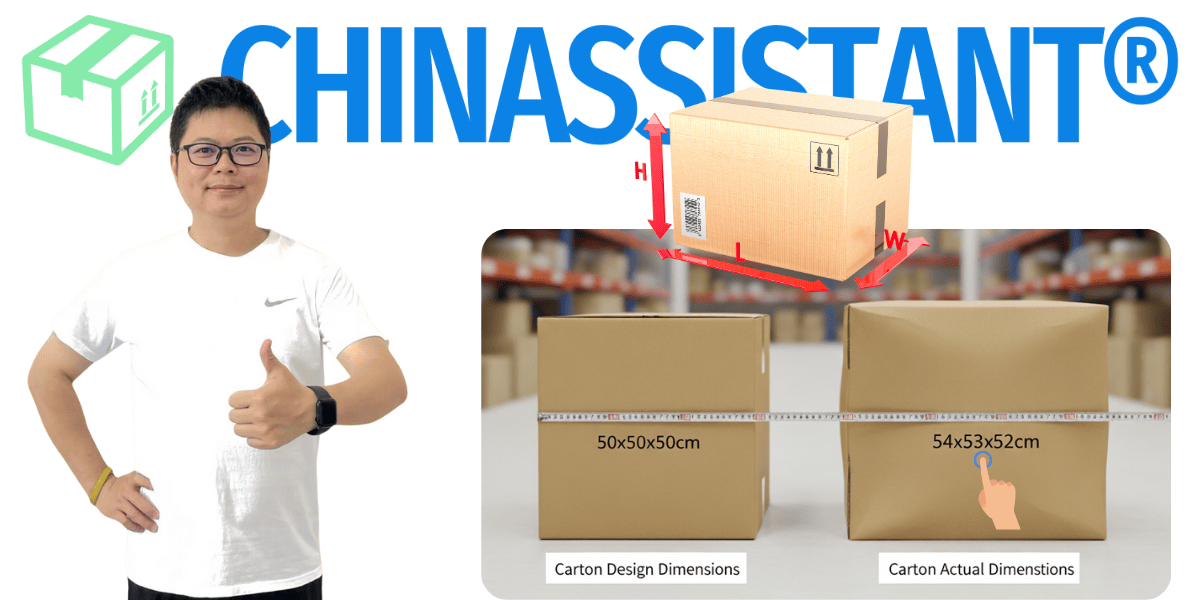
Note 1: When entering box dimensions, consider the difference between the original design dimensions and actual dimensions. After a box is filled with products, there may be slight expansion, causing the design dimensions and actual dimensions to differ. In this case, the actual dimensions are used for billing. For example, if a box's dimensions are 50×50×50, after being filled with products, the dimensions may become 53×53×54. This is normal as products may be packed more tightly.
Note 2: International companies measure product dimensions not based on the box's length, width, and height, but on the most protruding points of each surface. They use laser measurement, so the data is more accurate. Sometimes the dimensions may be larger than you expect. The only solution is to use proper packaging and hire our service to verify the actual situation.
